Film Scripts (August 2023)

Film at Lincoln Center’s Introductory Notes on May December: From the sensational premise born from first time screenwriter Samy Burch’s brilliant script, director Todd Haynes has constructed an American tale of astonishing richness and depth, which touches the pressure and pleasure points of a culture obsessed equally with celebrity and trauma. It’s a feat of storytelling and pinpoint-precise tone that is shrewd in its wicked embrace of melodrama while also genuinely moving in its humane treatment of tricky subject matter. Boasting a trio of bravura, mercurial performances by Moore, Portman, and Melton, May December is a film about human exploitation, the elusive nature of performance, and the slipperiness of truth that confirms Todd Haynes’s status as one of our consummate movie artists.

Film at Lincoln Center’s Introductory Notes on About Dry Grasses: The latest deeply philosophical drama from Nuri Bilge Ceylan is a work of elegant, novelistic filmmaking, rigorously unpacking questions of belief versus action, the tangible versus the enigmatic, and who we wish to be versus how we live. A centerpiece conversation between Samet and Nuray—capped off by a provocative metacinematic flourish—ranks with Ceylan’s greatest sequences, and Dizdar, who won the Best Actress prize at this year’s Cannes Film Festival, commands every second she’s on screen.

Film at Lincoln Center’s Introductory Notes on Anatomy of a Fall: Triet’s fiercely intelligent, emotionally devastating film dissects the ways we create subjective narratives for ourselves and others and questions the insufficiency of language to describe the essential mysteries each of us possesses.

Film at Lincoln Center’s Introductory Notes on Do Not Expect Too Much from the End of the World: As he proved with his scandalous, scathing political comedy Bad Luck Banging or Loony Porn, Romanian filmmaker Radu Jude is among the most radical filmmakers working today and one of the few unafraid to diagnose the absurd evils and moral blind spots that make contemporary living what it—unfortunately—is. … … Intercutting all this with footage from Romanian director Lucian Bratu’s feminist 1981 film Angela Moves On, following the travels of a female cab driver around the city’s same sights and locations, Jude initiates a conversation with his country’s past and present, while engaging in a meta-commentary about the ability of the captured image to exploit, and to contort the truth.

Film at Lincoln Center’s Introductory Notes on Fallen Leaves: As with the greatest of Kaurismäki’s films, everyday details register as grand, meaningful cinematic gestures. This filmmaker has scrupulously carved another fictive universe out of a handful of specific, vivid locations, yet Fallen Leaves very much takes place in the world we’re living in, which makes its surrender to hope all the more affecting. 

Film at Lincoln Center’s Introductory Notes on Green Border: This harrowing, urgent drama from the veteran Polish director Agnieszka Holland constructs an intricate account of the contemporary global humanitarian crisis, expanding out to encompass the interconnected lives of security patrol officers, activist lawyers, and civilians who put themselves on the line for strangers. With the sobering and sometimes shocking Green Border, Holland reaffirms both her unyielding commitment to political filmmaking and the ability of immersive storytelling to illuminate the darkest corners of the world.

Film at Lincoln Center’s Introductory Notes on Jane Planet: Set in 1991 rural Western Massachusetts, the superb debut film from Pulitzer Prize­–winning playwright Annie Baker is a work of surreal tranquility that moves at a different, lost pace of life, and which perceives heartbreak just as Lacy is beginning to grasp the world and her place in it. Baker has created a film about a mother and daughter quite unlike any other, heightening the viewer’s senses and expressing oceans of feeling with the smallest gestures. Nicholson and Ziegler perform their roles with an inspiring lack of sentimentality, and the wondrous supporting cast … …

Film at Lincoln Center’s Introductory Notes on The Shadowless Tower: Zhang strikes a delicate balance between abstract feeling and the satisfactions of storytelling in this expansive, uncommonly sensitive portrait of contemporary living and the radiancy that can exist in both the sunlit streets and the darkest margins. 

Film at Lincoln Center’s Introductory Notes on The Zone of Interest: In his chilling, oblique study of evil, British director Jonathan Glazer (Under the Skin) situates the viewer at the center of frighteningly familiar banality. … … Loosely inspired by the 2014 novel of the same name by Martin Amis, Glazer has created a singular, unsettlingly timeless representation of inhumanity and our capacity for indifference in the face of atrocity, filmed and edited with aptly cold precision and punctuated with an ominous score by Mica Levi. 

Film at Lincoln Center’s Introductory Notes on Youth (Spring): Over the course of five years, Wang follows various groups of people, most of them in their twenties, as they labor over their clothes-making, interact in the cramped dormitories where they live after hours, bargain (often fruitlessly) for better wages, and create emotional bonds and relationships with one another. As the title suggests, this film is specifically about the lives of the young, forcefully and humanely depicting—with its director’s customary patience and unassuming formal rigor—the consequences of the country’s rapid growth on the minds and bodies of a new generation of workers.
野蛮者是谁?

要给电影The Brutalist译中文名不是一件容易的事,这个单词既可以表示粗野主义建筑(二战后兴起的强调建筑功能和突出使用原材料的设计风格,也称粗旷主义),也可以指人,代表粗野派建筑师。

影片的主角拉斯洛·托特(László Tóth)正是这样一位建筑师,电影也围绕他和他妻子的移民经历展开,然而看到深处便不难发现,Brutalist在片中并非简单指涉建筑设计及其粗野的风格。诚然,拉斯洛在电影大部分时间里都在修建一座尚且可以称之为粗野派建筑的教堂/图书馆/社区中心,我们的观影,某种意义上就是这座教堂从无到有诞生的过程,但Brutal这个词根和母题,早在这个过程中与其美学层面的本意脱离了关联。这部电影不仅仅是一部讲建筑的作品,甚至可以说,它完全不是一部讲建筑的作品。

Brutal,野蛮,残酷,无情。一方面,它是拉斯洛在设计建造这座可以定义其艺术成就的作品和追求自我实现过程中展现出的“野蛮”。一名受到良好训练的建筑师,冲破战火背井离乡,踏上更安全和自由的土地从头再来。在可遇而不可求的机会面前,“动物性”使欲望膨胀,“艺术理想”外化为对工作团队的苛求与自我的偏执,在一味攀登的过程中,拉斯洛并不在乎工作以外很多同样重要的事;或者说,他始终以一套自洽的体系去证明自己选择无误。完美是绝对的,它不允许误差,懈怠,瑕疵,甚至不可复制或被稍次的“平价品”所替代。完美又是残忍的,因为一个人抵达它的路程,亦是对周围人“吸血”的过程,和对价值观重新排序并容许自己在“次要”的事情上(生活,爱情,欲望,品格)松懈和放纵的过程。拉斯洛虽然在人性层面不乏温暖,但他在攀登艺术和人生阶梯过程中的执念却是蛮横无比的。

另一方面,Brutal直指影片中另外一个主要人物、拉斯洛的资本赞助者范布伦(Harrison Lee Van Buren)。电影对这个人物的塑造,可以说比献上影帝级别表演的阿德里安·布罗迪饰演的拉斯洛还要精彩。表面上,范布伦并不是一位让我们陌生的老板和资本家,和许多其他银幕上的大亨一样,他独断专行,凶猛多变,但远不只是一名和布罗迪对戏的“反派角色”。很大程度上,这个角色比拉斯洛还要有血有肉和丰满。影片花费同样的笔墨,去侧面讲述了为什么范布伦可以抵达成功,以及为什么成功只属于少数人,并且一样需要天赋(加上才干和魅力)。和拉斯洛单方面推动项目进展相比,范布伦这个角色在影片里的进程,其实才是电影的核心脉络。从首次出场时对现代艺术的嗤之以鼻,到通过敏锐的嗅觉把拉斯洛请回,从教堂项目始末对艺术和艺术家最大化的价值攫取,到矛盾产生时施展出的手腕和人格气度,再到最终本性的揭露,大厦的倾塌,范布伦身上的故事,或许才是Brutal的核心:源自理想,蕴含野心,极度理性以至于不计成本得失,明明通晓事理但又不得不冷血无情。

影片的脉络通过显性的方式铺设在范布伦的角色轨迹中,但电影的主题却以隐性的方式一点点渗透在范布伦的一举一动里,它在电影最后半个小时的高潮段落中才露出狰狞的面目,但回想起来,其实从这个角色一出场时(甚至出场之前,拉斯洛表兄身上的故事)就埋藏其中,只是导演无意让我们一开始就发觉。

Brutal,仔细想来其实并不只是范布伦人格和道德上的粗暴,而是他所代表着的以美国为中心的生产方式、移民体系和资本主义秩序。Brutalist,或许不简单是二战后兴起的某种建筑设计风格,而是在同一时期里被重塑的世界秩序和掌权者话语。Brutal始于利益交换,到头来是不公平的掠夺,但这个词落脚点的不是经济层面上的剥削——它带有强烈的情感,是用在人身上的;它背后预设了一个人即使在不平等的经济活动中也应当具备良知,尊重,和恪守道德,但影片用长达三个小时的铺垫告诉我们,这一切都是不切实际的幻想。范布伦“阶级”所象征的秩序,当它从被建立的那一刻起,Brutal就与之伴生了,经济和社会意义上的不平等,本质上或者说就直接来源于人格意义上的不平等。

对于像拉斯洛这样的移民,上述秩序和被当权阶级支配的命运,从他们踏上埃利斯岛、看见自由女神像的那一刻起或许就已经注定。某种意义上,这些人乘往美国的船票,背面写着的就是自己应当如何“恪守本分”的契约。外来者在这个能者多劳、能者多得的社会里被赋予平等的机会,但他们永远不会成为国家的主人,很多时候甚至无法完全成为自己的主人。这张契约可怕的地方在于,身为“仆人”(或者“代理人”),他们的命运只会是被主人使用,鞭责,并且在不再“有用”的时候被果断抛弃。这样的“主仆”关系,在本片中既是范布伦和拉斯洛在个人层面的雇佣关系,也是他们所象征的“主人与外人”在社会层面不对等的权力关系,甚至更一步讲,它就是美国与发展中国家的关系。移民体系像磁铁一样吸纳人才,但这个强大的国家通过文化霸权和资本的力量将他们一一驯服,在那些堂而皇之被摆上台面的欺压面前,我们是不必期望被欺凌的一方攥起拳头站起身来的,而即便站起来也早已遍体鳞伤。影片末段让人惊骇的那一幕,就是这段“主仆”关系最直白的描写。

和传统的移民电影更多聚焦在生活体验、感情故事和文化冲击不同,The Brutalist关注的是美国梦在自我实现层面的呈现,以及它背后的深层矛盾。在拉斯洛和他妻子埃尔兹贝特(Erzsébet)眼中,美国并不是一个需要去体验、适应并最终融入的“更好的地方”,而只是一个在彼时彼刻战火烧不到的栖身之所,和一个能让自己的天赋与能力得到最大化回报的竞技场。他们的内心是无比孤傲的,这一方面来源于对自身天赋的自信(以及对“本地对手”究竟有几斤几两清楚的认知),另一方面则植根于对“欧洲中心”文化不可辩驳的自豪,而这两者在一位勤奋上进的挑战者面前(指美国)都毫无妥协的余地。因此,他们奋斗和“向上爬”的过程,也是一段用物质利益和名利“消化”或回避自身骄傲的“精神史”。

抛开Brutalist的确切指涉,这是一部近期少见的甚至可以从技术和表演层面去欣赏和坐下来静静观看的作品。“炫技”的电影通常落入内容空洞的窠臼,或者技术层面的美感会与故事的内在节奏割裂开,但本片凭借其工整的结构,史诗的篇幅,主要人物的徐徐出场,完美契合了70毫米胶片的质地和用Vista Vision拍摄全片的野心。影片配乐如河流一般,时而蜿蜒时而奔涌,仿佛是另一个有话要说的角色;另外一个重要“人物”,那座从无到有搭建成的大教堂,也让人在某个瞬间感到穿越回赫尔佐格《陆上行舟》的“元电影”场景里。人物塑造上,布罗迪和盖·皮尔斯扎实的表演并非全部,影片下半段才正式出场的菲丽希缇·琼斯同样令人印象深刻。拉斯洛夫妇的“婚姻故事”不是影片的重点,但琼斯的角色却十分重要——就像三角形的第三条腿,这个角色站住了,影片的人物关系才趋于稳定。

琼斯饰演的妻子在欢迎晚宴那一幕戏中被问到这样一个问题,相信也是很多在外的国人曾经被问到过的,Did I pronounce your name correctly? 这句不经意和再礼貌不过的问话,却从某种程度上道出了每一位移居者最切实的生存和身份困境。提问者看似不经意,但这背后是傲慢是无知还是“宣誓主权”我们就不得而知了。琼斯的回答一语中的,“名字叫得正确与否并不重要”,是啊,就算把名字喊对了,我就可以跟你平起平坐了吗?

Film Scripts (September 2022)

Film at Lincoln Center’s Introductory Notes on One Fine Morning: Few filmmakers are as adept at exploring the contours of modern love and grief as Mia Hansen-Løve (Bergman Island), whose intensely poignant and deeply personal latest drama stars Léa Seydoux as Sandra, a professional translator and single mother at a crossroads. Her father (Pascal Greggory), rapidly deteriorating from a neurological illness, will soon require facility care, and her new lover (Melvil Poupaud) is a married dad whose unavailability only seems to draw her nearer to him, despite—or because of—the fact that she’s going through an overwhelming time in her life. Hansen-Løve, so finely observant of the small nuances of human interaction, creates, in harmonious concert with a magnificent Seydoux, a complicated portrait of a woman torn between romantic desire and familial tragedy that is a marvel of emotional and formal economy.

Film at Lincoln Center’s Introductory Notes on Aftersun: In one of the most assured and spellbinding feature debuts in years, Scottish director Charlotte Wells has fashioned a textured memory piece inspired by her relationship with her dad, taking place over the course of a brooding weekend at a coastal resort in Turkey. The charismatic Paul Mescal and naturalistic newcomer Francesca Corio fully inhabit Calum and Sophie, a divorced father and his daughter often mistaken for brother and sister, who share a close and loving bond that creates an entire world unto itself. Wells employs an unusual and gorgeous aesthetic that brings us into the interior space of this parent and child, even as she judiciously withholds details, an approach that finally grants the film a singular emotional wallop. Aftersun reimagines the coming-of-age narrative as a poignant, ultimately ungraspable chimera, informed by the present as much as the past. 

Film at Lincoln Center’s Introductory Notes on Alcarràs: Winner of the Golden Bear at this year’s Berlinale Festival, Carla Simón’s follow-up to her acclaimed childhood drama Summer 1993 is a ruminative, lived-in portrait of a rural family in present-day Catalonia whose way of life is rapidly changing. The Solé clan live in a small village, annually harvesting peaches for local business and export. However, their livelihood is put in jeopardy by the looming threat of the construction of solar panels, which would necessitate the destruction of their orchard. From this simple narrative, pitting agricultural tradition against the onrushing train of modern progress, Simón weaves a marvelously textured film that moves to the unpredictable rhythms and caprices of nature and family life.

Film at Lincoln Center’s Introductory Notes on The Novelist’s Film: For his playful and gently thought-provoking 27th feature, Hong Sangsoo takes on the perspective of a prickly middle-aged novelist, Junhee (Lee Hyeyoung, the magnetic star of Hong’s In Front of Your Face). After revisiting an old friend who now runs a bookshop outside of Seoul, she embarks on a restorative journey that leads her to a chance encounter with a famous actress and former movie star (Kim Minhee); the two make an instant connection that stokes both women’s dormant creative impulses. Within this simple, loose-limbed premise, Hong locates a deep well of emotional truth, and poses a bounty of questions about the necessities and expectations of art-making, leading to a poignant, entirely unexpected, mode-shifting climax.

Film at Lincoln Center’s Introductory Notes on R.M.N.: Cristian Mungiu, whose bravura films such as 4 Months, 3 Weeks, and 2 Days and Beyond the Hills dramatize the tensions of a modern Romania still beholden to dangerous traditions, returns with a gripping, mosaic-like portrait of a rural Transylvanian town riven by ethnic conflicts, economic resentment, and personal turmoil. Matthias (a glowering Marin Grigore) has returned to the village after an altercation at his job in a German slaughterhouse, only to find that his estranged wife has grown more distant and his young son has stopped talking after witnessing something disturbing in the forest near their home. Meanwhile his former lover, Csila (Judith State), with whom he hopes to rekindle an affair, has become involved in an escalating controversy when her local bread factory hires Sri Lankan migrants. These strands converge in increasing combustibility, building to an unsettling climax and a bravura town hall sequence that ranks with Mungiu’s best work.

Film at Lincoln Center’s Introductory Notes on Showing Up: Continuing one of the richest collaborations in modern American cinema, director Kelly Reichardt (Certain Women) reunites with star Michelle Williams for this marvelously particularized portrait of a sculptor’s daily work and frustrations in an artists’ enclave in Portland. Lizzy (Williams) struggles to put the finishing touches on her latest pieces for a gallery show, all the while juggling admin work at the local art school; dealing with the neglect of her well-meaning landlord (a funny and nuanced Hong Chau), who also happens to be a rising-star conceptual artist; and tending to the emotional well being of her increasingly fragmented family. Christopher Blauvelt’s patient camerawork, Reichardt’s precise cutting, and Williams’s physically transformative performance coalesce to create something remarkable in Showing Up, a delicately humorous drama of the experience of being a creative person that avoids all clichés that plague films about artists.

Film at Lincoln Center’s Introductory Notes on Triangle of Sadness: Cinematic mischief maker Ruben Östlund liberally applies his customary playfulness to the wide canvas of his wildly ambitious, frequently hilarious latest film, which won the Swedish director his second Palme d’Or at this year’s Cannes Film Festival. Kicking off as a satirical romance, following the bickering, money-soured relationship between two hot young models (Harris Dickinson and Charlbi Dean), the three-part film escalates into increasing absurdity after they are invited on a luxury cruise, where they rub elbows with the super-rich, as well as a disheveled and disillusioned, Marx-spouting sea captain (Woody Harrelson). To tell more would ruin the Buñuelian twists of this poison-dipped farce on class and economic disparity, which doesn’t skewer contemporary culture so much as dunk it in raw sewage.

Film at Lincoln Center’s Introductory Notes on Walk Up: Hong Sangsoo uses a delicately radical structure in his latest exploration of the complexities of relationships, growing older, and artistic pursuit. Successful middle-aged filmmaker Byungsoo (Kwon Haehyo) drops by to visit and introduce his daughter to an old friend, Mrs. Kim (Lee Hyeyoung), the owner of a charming apartment building that houses a restaurant on the ground floor. After Mrs. Kim tries to persuade him to move into one of the walk-up units, the film and Byungsoo’s future take a series of unexpected turns, as the various floors of the apartment come to contain different stages of his romantic and professional lives—or perhaps they’re different realities? Hong’s playfully existential drama consistently surprises, asking provocative, unresolvable questions about desire, illusion, and satisfaction and what we need—and take—from one another as we seek our own answers.

Film Scripts (April 2021)

Film Forum’s Introductory Notes (by Roger Ebert) on A Tale of Springtime: Nothing very dramatic usually happens in a Rohmer film, or at least nothing loud and violent. The characters are usually too well-behaved and sometimes too distracted by their own problems to pay much attention to the plot Rohmer has thrust them into. That’s one of the pleasures of a film like this; we can recognize the rhythms of real life, in which personal drama sometimes has to wait while we attend to routine duties. There’s the sense in a Rohmer film that the characters are free to walk out, if they want to; they’re not on assignment to stick with the plot to the bitter end, as they are in a Hollywood film.

Film Scripts (August 2021)

New Horizons IFF’s Introductory Notes on Bad Luck Banging or Loony Porn: The provocative, brilliant, angry and irresistibly funny film by Radu Jude deals with the phenomenon of moral panic, exposing the accompanying hypocrisy, ignorance and authoritarian tendencies. What is “really” obscene here: the sight of people having sex with mutual consent and to their mutual satisfaction, or perhaps the poverty depicted here of a city devastated by wild capitalism and nationalist ideology? Who is perverse, the teacher or the self-proclaimed tribunal of staunchly indignant parents that has gathered at school to judge her? Filled with archival materials, Bad Luck… is a catalog of the true variants of pornography, whether political, religious, or class, shamelessly spreading under noble slogans. The real reasons for shame, Jude argues, can be found on our streets and in our own history books. (Małgorzata Sadowska)

New Horizons IFF’s Introductory Notes on Wheel of Fortune and Fantasy: Rohmerian in spirit, but bearing the expressive mark of Ryûsuke Hamaguchi’s style, Wheel of Fortune and Fantasy, consists of three short stories, each revolving around the theme of chance. …it is also a journey towards a growing feeling of uncanniness, because the film, which starts out like a classic morality tale, slowly moves towards fantasy, where a twist of fate takes on extraordinary features. …the scenes, shot mainly in interiors two actors each are phenomenal, nuanced portraits of relationships. Brilliant observations and a discreet sense of humor are accompanied by a sadness that makes Hamaguchi’s film a quiet sigh over wasted opportunities and our imperfection. (Małgorzata Sadowska)

New Horizons IFF’s Introductory Notes on The Girl and the Spider: An intricate web of hidden longing and veiled emotions is woven over the course of two days and one night when Lisa abandons her roommates and moves to her own apartment. The energy triggered by moving …puts everyone in a state of tension that travels like a cold sore from Lisa’s mouth to Mary’s. …Set almost entirely indoors, the film is structured like the eponymous spider’s web with perfect though fragile geometry. And the layouts of the new and old apartments can serve as maps used to decipher their tenants’ inner lives. Like a prism, they capture the things that people do when they think no one is watching. The viewers are also constantly surprised with dynamic, unexpected changes in viewpoints that clue the audience into secret details noticed by no one – save for the spider in the corner of the room.

New Horizons IFF’s Introductory Notes on What Do We See When We Look at the Sky: The sun lights up the streets, the soccer world championship is approaching, children chase footballs, street urchins wander to their favorite pubs, the leaves of lush trees rustle, and the foaming river whispers. Although What Do We See When We Look At the Sky comes close to the convention of magical realism, it ultimately eludes simple classifications. It is full of panache, but also tenderness, contemplation of what constitutes a specific, everyday reality, pulsating with life. The director meanders, releases the narrative, digresses only to return to the main plot. He focuses not so much on the events as on their images, always visually mesmerizing. It is a fairy tale film, but also a tribute to “filmmaking.” (Karolina Kosińska)
New Horizons IFF’s Introductory Notes on Stop-Zemlia: We meet the sensitive Masha who is part of a group of friends along with Yana and Senia. They experiment together, struggle with loneliness, problems with their parents, and first loves. …In her impressive debut, Ukrainian director Kataryna Gronostai, with warmth and sensitivity captures the moment in life when pain intertwines with hope and everything is so easy and so difficult at the same time. An authentic, almost documentary portrait of contemporary youth, who brought their experiences and language to the film during workshops preceding the shooting, combine here with a poetic touch. (Adam Kruk)

New Horizons IFF’s Introductory Notes on Wood and Water: The prolonged absence forces the woman to take lonely walks around the city, which turn into a series of random meetings, conversations and fascinations. Jonas Bak blurs the lines between documentary and fiction; although he tells a fictional story, the film stars his mother, sisters and friends. The shooting coincided with Hong Kong’s groundswell of protests against the extradition bill, though politics take a back seat to Bak’s main vision. More important here is Anke’s inner journey: her transformation, which unfolds slowly, timidly, but ultimately allows her to open up to other people and start a new phase of life. (Jakub Demiańczuk)

New Horizons IFF’s Introductory Notes on Luzzu: The film’s title is taken from the traditional Maltese coastal fishing boat. One of the local captains, Jesmark, continues his family fishing tradition, but is struggling with ever stronger competition. …Camilleri focuses attention on Jesmark’s drama, drawing a broader social and political background at the same time. The blame for the deteriorating fate of Maltese fishermen is not only on the black market, but also stringent EU legislation, progressive environmental degradation and the incipient climate catastrophe. Most of all, however, Luzzu is an emotional portrait of a man whose stable life begins to fall apart overnight. (Jakub Demiańczuk)

Melbourne International Film Festival’s Introductory Notes on El Planeta: El Planeta is the wittily droll feature debut of New York–based Argentinian artist Amalia Ulman, …Here, she once again blurs fantasy and reality, starring opposite her actual mother, Ale Ulman, in a semi-autobiographical story of economic hardship that is also inspired by an infamous real-world mother–daughter pair of con artists. Charmingly loose and informal, this film paints a playful and disarming picture of life on the edges.

New Horizons IFF’s Introductory Notes on Death of a Virgin, and the Sin of Not Living: Excited, gilded by the afternoon sunlight, the boys step boldly, as if the world belonged to them. They don’t yet know that they belong to the world: it directs their path and the shape of their masculinity, prompts them with dialogues, and directs disappointing, humiliating rituals of passage. …Brought up in a patriarchal culture, young men have – against bold plans – limited opportunities, and the foundations of their power have long been rotten. Delicate beneath a chatty, cheerful surface, the debut of Lebanese director George Peter Barbari, successfully combines realism with poetry, and the gentle movements of the camera embrace the heroes in a gesture they would never have made themselves. (Małgorzata Sadowska)

Film Scripts (July 2021)

Melbourne International Film Festival’s Introductory Notes on Bad Luck Banging or Loony Porn: Winner of the prestigious Golden Bear at the 2021 Berlinale, this comic, determinedly offbeat provocation by eclectic Romanian New Wave auteur Radu Jude takes aim at everything from sexist double standards to Romania’s political system to cinema itself. Polemical and unashamedly audacious, Bad Luck Banging or Loony Porn throws cinema vérité, surreal satire and essay film into a blender to confront a world in which everyone is seemingly willing to cast the first stone.

Melbourne International Film Festival’s Introductory Notes on What Do We See When We Look at the Sky?: As he follows the couple’s journey towards reunification, writer/director Alexandre Koberidze also takes viewers on a leisurely and wittily self-aware detour through daily life in the historic Georgian city of Kutaisi, whose human, canine and inanimate-object populations are in the grip of World Cup fever. Saturated in colour thanks to Faraz Fesharaki’s artful mix of 16mm and digital cinematography, What Do We See When We Look at the Sky? is an expansive, eloquent love letter to romance, to the mundane and the magical, and to the art of cinema itself.

Melbourne International Film Festival’s Introductory Notes on Wheel of Fortune and Fantasy: Once again foregrounding his female characters, the Japanese auteur weaves his vignettes so that they interconnect in odd, gently unpredictable ways, twisting and turning around chance connections, mirrored selves and unlikely romantic portals – as the director himself puts it, they are tales of “coincidence and imagination”. Wheel of Fortune and Fantasy is another ingenious exploration of modern love from a filmmaker fast becoming a contemporary master of the terrain.

Melbourne International Film Festival’s Introductory Notes on The Girl and the Spider: The second film in Ramon and Silvan Zürcher’s loose trilogy about human togetherness follows their award-winning feature debut, The Strange Little Cat, in building a lingering claustrophobic tension hemmed in by four walls. As extended family members, neighbours, handymen and hangers-on pass in and out of the two flats, a palpable undercurrent of sexual desire and jealously fills the frame, and an increasingly chaotic whirl of ambiguity – underscored by Eugen Doga’s Gramofon waltz – threatens to tear it all apart. As a cinematic madrigal on the nature of impermanence, The Girl and the Spider is a unique work of taut, existential distinction.

Melbourne International Film Festival’s Introductory Notes on Drive My Car: Based on the eponymous short story by Haruki Murakami, Hamaguchi’s Cannes Best Screenplay winner is a poignant, moody triumph that channels his previous films with its intimate focus on a slowly unfolding, ultimately reparative relationship between two seemingly mismatched people. Warm and observant, with a memorably vivid visual style that evokes Wong Kar-wai and a powerfully contained performance by Hidetoshi Nishijima as Yūsuke, Drive My Car is another unique and stunning drama from one of Japan’s master storytellers of modern relationships.

Film Scripts (November 2020)

New Directors New Films 2020’s Introductory Notes on Boys State: Filmmakers Jesse Moss and Amanda McBaine closely track the escalating tensions that arise within a particularly riveting gubernatorial race, training their cameras on unforgettable teenagers like Ben, a Reagan-loving arch-conservative who brims with confidence despite personal setbacks, and Steven, a progressive-minded child of Mexican immigrants who stands by his convictions amidst the sea of red. In the process, they have created a complex portrait of contemporary American masculinity, as well as a microcosm of our often dispiriting national political divisions that nevertheless manages to plant seeds of hope.

New Directors New Films 2020’s Introductory Notes on Anne at 13,000 Ft: Here, the nimble Canadian filmmaker forces viewers to dive headlong into the daily struggles of Anne, a young daycare worker in Toronto whose seemingly steady life gives way to increasing anxiety and recklessness, her unpredictable behavior coinciding with a burgeoning romance with a well-meaning guy (Matt Johnson) wholly unprepared for her quarter-life crisis. Like John Cassavetes, Radwanski risks putting us in close proximity with a character we may bristle at, but the result is a cleansing emotional experience that coaxes our compassion.

New Directors New Films 2020’s Introductory Notes on Dwelling the Fuchun Mountains: Taking its title from a renowned 14th Chinese scroll painting by Huang Gongwang, this debut feature from Gu Xiaogang is a panoramic evocation of one year in the life of a provincial family. In tribute to its artistic inspiration, the film often presents its action from a quiet distance, the camera lyrically moving across the frame as its central characters—the members of the sprawling Yu family, overseen by an aging matriarch (Du Hongjun), whose birthday celebration opens the film—deal with business and romantic entanglements, financial debts and work struggles. All the while the seasons inexorably change. Dwelling in the Fuchun Mountains was shot over the course of two years, and is the first in a declared trilogy of films about life along the Yangtze River—a first-time filmmaker’s labor of love that’s as accomplished as it is ambitious.

New Directors New Films 2020’s Introductory Notes on The Killing of Two Lovers: An evocative and atmospheric transmission from wintry Utah, The Killing of Two Lovers is a compact, economical portrait of a husband and father trying to keep it together while seething with rage during a trial separation from his wife. An interior drama set mostly outside, on the vast, lonely street where David (a knockout Clayne Crawford) stays with his ailing father just a few doors up from his wife Niki (Sepideh Moafi) and their four kids, Machoian’s film compassionately depicts a family in crisis, while moving at the ominous pace of a thriller. A complex, brooding soundscape from Peter Albrechtsen that seems to emanate directly from the head of its disturbed protagonist, and a claustrophobic aspect ratio contribute to the powerful emotional register of this impressive new work of American independent cinema.

New Directors New Films 2020’s Introductory Notes on The Metamorphosis of Birds: A highly unorthodox documentary that has the feel of a precious heirloom, this impressionistic yet emotionally rich film finds Portuguese filmmaker Catarina Vasconcelos sifting through the memories and dreams of her ancestors. In prismatic images, richly shot on 16mm film, we get the sense of a family’s entire lineage, starting with her naval officer grandfather, Henrique, who married her grandmother, Beatriz, on her 21st birthday; he then spent extended periods at sea, leaving her with an expanding brood of children. This is the beginning of a generational saga, told in shards of memory and voiceover. The Metamorphosis of Birds achingly evokes the natural world—the changing seasons, the play of sunlight, the ever-flowing tides, and the plant and animal life—that counterbalances and nurtures human life cycles.

Film Scripts (August 2020)

Film Society at Lincoln Center’s Introductory Notes on Xiao Wu: Abandoned by his friends and associates and stymied by the terrain shifting beneath him, the titular and somewhat nihilistic thief stumbles upon a chance at love—or at least a human connection—and finds himself confronted with the question: is this any way to live? Even in this early work, Jia’s unsurpassed attentiveness to the texture of quotidian life amid a society in flux is powerfully in evidence, presaging his current status as cinema’s great portraitist of the latter-day Chinese behemoth.

Roger Ebert on Smooth TalkThe movie is also uncanny in what it does with its last three shots. I watched them, and could not believe so much could be implied so simply. Leave the movie before it’s over, and you miss almost everything, because what Connie does at the very end of the film is necessary. It makes “Smooth Talk” the story of the process of life, instead of just a sad episode.

Film Scripts (July 2019)

Film Society at Lincoln Center’s Introductory Notes on Mysterious Object at Noon: A camera crew travels the length of Thailand asking villagers to invent episodes in an ever-expanding story, which ends up incorporating witches, tigers, surprise doublings and impossible reversals. With each participant, Mysterious Object at Noon seems to take on a new unresolved tension. Celebrating equally the possibilities of storytelling and of documentary, it’s a work that’s grounded in a very specific region, but feels like it came from another planet.

Film Society at Lincoln Center’s Introductory Notes on La Ciénaga: No one ever seems to go anywhere; parents and kids lay in bed, half-naked in communal sloth, but there are powerful undercurrents running beneath the seemingly languid country-house atmosphere. One of the all-time great debut films, La Ciénaga announced a daring new voice in Argentine cinema, and constituted a mesmerizing portrait—reminiscent of Buñuel—of the privileged class far gone in decay, unanchored from religion, nature, marital or blood ties.

Film Society at Lincoln Center’s Introductory Notes on Japón: Cinema of the 21st century found its heir to Andrei Tarkovsky with the emergence of Mexican master Carlos Reygadas who, perhaps more than any other major auteur of his generation, has devoted himself to wrestling with weighty metaphysical questions of sex, spirituality, mortality, and suffering. His quietly iconoclastic vision emerged fully formed with the cryptically titled Japón, in which a tormented man travels to a remote valley with a plan to commit suicide, only to find his will to live restored through his relationship with an older widow. Straying readily from its narrative path to chase down moments of visual and auditory transcendence, this sublime psychic journey is rich with aesthetic and philosophical revelations.

Film Society at Lincoln Center’s Introductory Notes on Unrelated: The 2007 debut from Joanna Hogg (The Souvenir), visually detached yet emotionally cutting, established her immediately as an unusual artist with a place-specific approach to drama.

Film Society at Lincoln Center’s Introductory Notes on Corpo Celeste: Alice Rohrwacher’s extraordinarily impressive debut feature chronicles Marta’s private duel with the Church, carried out under the shadow of the physical changes coursing through her. Rohrwacher is not interested in pointing out heroes and villains, but instead in offering a perceptive look at how the once all-powerful Church has dealt with its waning influence.

Film Scripts (March & May 2019)

Quad Cinema’s Introductory Notes on Ash is Purest White: Jia Zhangke’s oeuvre epitomizes many of the most vital aspects of contemporary Mainland Chinese filmmaking: acute sociopolitical awareness, impressive acting, and a sui generis approach to genre storytelling influenced by a rich yet fragmented cultural history. Ash is no different, subtly mapping the seismic effects of China’s post-socialist economy over the span of two decades.—Kyle Pletcher, front of house staff

Criterion Collection’s Introductory Notes on The Marriage of Maria Braun: Maria (Hanna Schygulla) marries Hermann Braun in the last days of World War II, only for him to go missing in the war. Alone, Maria puts to use her beauty and ambition in order to find prosperity during Germany’s “economic miracle” of the 1950s. Rainer Werner Fassbinder’s biggest international box-office success, The Marriage of Maria Braun is a heartbreaking study of a woman picking herself up from the ruins of her own life, as well as a pointed metaphorical attack on a society determined to forget its past.

Roger Ebert’s 2005 Essay on The Marriage of Maria Braun: 1) Fassbinder’s world was one in which sex, ego and money drove his characters to cruelty, sadism and self-destruction. It is never difficult to discover what they want, or puzzling to see how they go about it. 2) …observe how they like to keep the camera moving, through elegant setups in which characters and locations are arranged so that the fluid visuals flow from long shots through closeups without cutting, often moving behind walls, peering through doors and windows, looking around posts, so that the characters seem jammed into the space around them. 3) Hanna Schygulla, who met Fassbinder in school and starred in 20 of his films, had an uncanny ability to float just out of range of analysis, as if she were not acting but getting her effects through dreamy murderous impulses — that despite the fact that every shot was precisely blocked and the dialogue has the precision and brutality of a play by Neil LaBute.

Derek Malcom’s 1999 Essay on The Marriage of Maria Braun: 1) He was half infatuated and half repelled by Hollywood, and the film’s form shows that. But it could never have been made in America, since it takes a highly political account of a period in German history and, on almost every frame, he stamps his sour opinion of the downside of that country’s post-war economic miracle. 2)  In it, he allows us to identify with his heroine utterly, as she ruthlessly gets everything she wants in preparation for her reunion with her husband. But he does so for a purpose – to shock us into the realisation that Germany’s post-war prosperity was, like ours, based on a series of false premises, which eventually infected those who believed in it. 3) The miracle is that Fassbinder was able […] to direct Schygulla and the film so precisely. Apparently he even instructed her how to move her fingers. His movies are generally about the oppressor and the oppressed. But The Marriage Of Maria Braun was less about Hollywood’s familiar idea of the redeeming nature of love than the fact that love is often the worst oppressor of all. In Fassbinder’s own life, as in his art, that was certainly true.

Film Scripts (September 2018)

MoMA’s Instroduction on The Wind Will Carry Us: While death hovers around the corner, Behzad gains perspectives on life and spirituality as he befriends the locals and experiences the majesty of nature. One of Abbas Kiarostami’s most celebrated works, The Wind Will Carry Us contemplates the profound questions of life through the observation of the simplest existence.

MoMA’s Instroduction on Gabbeh: As filmmaker Mohsen Makhmalbaf observed their life, what began as a documentary project turned into something else—more surreal than real. A beautiful young woman named Gabbeh has seemingly leapt out of a rug depicting two small figures: a woman and a horseman. She finds herself in front of an old couple and begins to tell them about her lover, the horseman, whom she wants to marry but must wait for her father’s approval. Cinematographer Mahmoud Kalari captures all the vivid colors that brighten life in this wondrous fable about a woman’s desires.

Film Scripts (July 2018)

Metrograph’s Introduction on Platform: Jia Zhangke’s intimate epic begins in and returns to the director’s hometown of Fenyang, Shanxi Province,
where it picks up with a theatre troupe first encountered in the late ‘70s, following them through changes in fashion over the course of a decade as they are scattered to the wind and finally return, along the way tracking the social shifts that accompany China’s move from the wake of the Cultural Revolution to the threshold of market capitalism. “It’s Pop Art as history.” – J. Hoberman

Slant’s Ed Gonzalez’s Review on PlatformYou can feel the unrest in the air: Trains constantly leave and come into the community, but it’s as if no one rides on them; the tide is changing (Mao is dead and a Western, market-driven pop awareness is slowly seeping in), but no one seems to be going anywhere quick. Atop the cement platform that overlooks the city, a couple engages in a courtship repeatedly frustrated by unbending parents, defeated selves, and bitter surroundings (at one point, cement pillars make it difficult for them to share the same frame).

… … Some critics have complained about the film’s lack of narrative vigor, forgetting that Jia’s point is that there’s very little for these people to live out. These are lives trapped in amber, trying to create a more complex narrative. Via startling long shots and temporal displacements, Jia truly evokes a community grasping hopelessly for something, anything to lift them up.

New York Times’ A.O. Scott’s Review on PlatformSlow and gradual also describe the director Jia Zhang Ke’s approach to storytelling. Social change is incremental, and rarely noticed by those living through it. Mr. Jia shows the commercialization of provincial Chinese culture largely through incidental details.

… … When they are outdoors, Mr. Jia photographs his characters from a distance. The lovers argue on the ancient battlements that surround their hometown or stand in vast, empty winter fields. Interior spaces are either dimly lighted or flooded with harsh white backlighting. While these techniques often create visually arresting images, they also keep us detached from the human dimensions and emotional resonance of the story. The film seems to invert conventional notions of foreground and background, as if the feelings and choices of individuals were incidental and the real interest lay in their changing cultural milieu.

… … The historical thesis is clear enough: bourgeois domesticity and consumer capitalism have replaced collectivism. We grasp this as a historical fact, but not as an experience. Or to put it another way, the characters in ”Platform” live through a lot of history, but the history — and the film itself — never really come alive.

Film Society of Lincoln Center’s Introduction on The WondersWinner of the Grand Prix at the Cannes Film Festival, Alice Rohrwacher’s vivid story of teenage yearning and confusion revolves around a beekeeping family in rural central Italy… … Hélène Louvart’s lensing combines a documentary attention to daily ritual with an evocative atmosphere of mystery to conjure a richly concrete world that is subject to the magical thinking of adolescence.

Film Society of Lincoln Center’s Introduction on La FranceFrom time to time, these surprisingly sensitive, introspective men break out an assortment of homemade instruments and perform original songs written for the film by Benjamin Esdraffo and… … Exquisitely shot by Céline Bozon (the director’s sister), this unclassifiable hybrid of war movie and movie musical is truly unlike anything you’ve ever seen before.

Film Society of Lincoln Center’s Introduction on The Strange Case of AngelicaManoel de Oliveira’s sly, metaphysical romance—made when the famously resilient director was a mere 102 years old—is a mesmerizing, beyond-the-grave rumination on love, mortality, and the power of images… … The crisp chiaroscuro compositions of cinematographer Sabine Lancelin enhance the film’s otherworldly, unstuck-in-time aura.

Film Society of Lincoln Center’s Introduction on The Milk of SorrowLlosa and DP Natasha Braier capture the striking beauty of Lima’s outskirts, as well as a revelatory performance by Magaly Solier, with dignity and grace. Winner of the Golden Bear at the 2009 Berlin Film Festival.

Film Scripts (April to May 2018)

MoMA’s Introduction on Hanare goze Orin (Ballad of Orin)One of the most sublime color films ever made, Ballad of Orin follows the hardscrabble life of a wandering outcast goze (blind female musician) in early 20th-century Japan. Cinematographer Kazuo Miyagawa and director Masahiro Shinoda interviewed surviving goza of the time to capture “a sense of the ideal beauty that these blind women had inwardly visualized.”

Film Society Lincoln Center’s Introduction on First ReformedPaul Schrader’s newest film, about a middle-aged pastor named Toller (Ethan Hawke, in a truly extraordinary performance) who is shocked out of his self-inflicted torment when he is called to minister to a troubled young environmental activist and his wife (Philip Ettinger and Amanda Seyfried), is as deeply personal as it is politically and spiritually urgent. The film also stars Cedric the Entertainer as the leader of the megachurch that oversees Toller’s 250-year-old landmarked structure and his ever-dwindling congregation. Schrader has created a potent cinematic experience, a carefully constructed, beautifully crafted communion with one lonely soul that allows us to gaze right into the eye of modern media- and money-fueled horror.

Film Society Lincoln Center’s Introduction on Series Visconti: A Retrospective: A leader in the neorealismo movement who also worked with international stars like Burt Lancaster, Helmut Berger, Alain Delon, and Dirk Bogarde, Visconti produced an oeuvre of modest and humane dramas as well as decadent, sprawling historical spectacles. Deftly aware of the subtle and rich means of cinematic expression, he uniquely imposed the narrative customs of opera and the novel onto film, yet remained sharply attuned to the social and political climates of the 20th century.

Film Society Lincoln Center’s Introduction on The LeopardWith fastidious attention to period detail, Visconti evokes a gilded world fading into oblivion, his camera gliding over baroque palazzos, magnificent banquets, and ornate ceremonies. It all culminates in a majestic, dusk-to-dawn ball sequence that is as poignant as it is breathtaking.

Film Society Lincoln Center’s Introduction on Rocco and His BrothersVisconti’s rich and expansive masterpiece has an emotional intensity and tragic grandeur matched by few other films. The director turned to Giovanni Testori, Thomas Mann, Dostoevsky, and Arthur Miller for inspiration, … …. In one beautifully realized scene after another, we observe a tightly knit family coming apart, one frayed thread at a time. … … One of the defining films of its era, Rocco and His Brothers has been beautifully restored, and Giuseppe Rotunno’s black and white images are as pearly and lustrous today as they were always meant to be.

Film Society Lincoln Center’s Introduction on White NightsVisconti’s adaptation of a classic short story by Dostoevsky is a ravishing romantic reverie in incandescent black and white. Marcello Mastroianni is the lonely flâneur who meets and falls in love with a fragile young woman (Maria Schell) amidst the fog-shrouded night world of the Tuscan canal city of Livorno. The resulting tale of all-consuming love and loss is a swooning dream vision elevated to the nearly operatic by Visconti’s rapturously stylized direction.

Film Society Lincoln Center’s Introduction on Death in VeniceOpening with the otherworldly image of a steamship emerging ghostlike from inky blackness and closing with one of the most transcendent denouements in all of cinema, Visconti’s exquisite adaptation of Thomas Mann’s novella is a piercing meditation on mortality, sexuality, beauty, and the longing for youth. … … Visconti’s painterly compositions enter the realm of the sublime thanks to the tension-swelling, never-resolving strains of Mahler’s Fifth Symphony.

Scripts on Films (March 2018)

Museum of the Moving Image’s Introduction on Le BonheurIn Varda’s exquisitely colorful movie, a seemingly happy married carpenter takes a mistress. Though set in bucolic landscapes and filmed with a vividly stylized and vibrant palette, Le Bonheur is sharply analytical beneath its sunny exterior, as disturbing as it is beautiful. Describing the film, Varda said “I imagined a summer peach with its perfect colors, and inside there is a worm.”

BAM’s Introduction on Lynne Ramsay’s Retrospective Series: Through her complex layering of sound and visuals, transformative use of pop music, and knack for capturing lightning-in-a-bottle performances, Ramsay creates senses-shattering spectacles of hallucinatory beauty and raw psychological power.

New Directors New Films 2018’s Introduction on An Elephant Sitting StillSure to be remembered as a landmark in Chinese cinema, this intensely felt epic marks a career cut tragically short: its debut director Hu Bo took his own life last October, at the age of 29. The protagonist of this modern reworking of the tale of Jason and the Argonauts is teenage Wei Bu, who critically injures a school bully by accident. Over a single, eventful day, he crosses paths with a classmate, an elderly neighbor, and the bully’s older brother, all of them bearing their own individual burdens, and all drawn as if by gravity to the city of Manzhouli, where a mythical elephant is said to sit, indifferent to a cruel world. Full of moody close-ups and virtuosic tracking shots, An Elephant Sitting Still is nothing short of a masterpiece.

Scripts on Films (February 2018)

Criterion Collection’s Introduction on Wild StrawberriesThrough flashbacks and fantasies, dreams and nightmares, Wild Strawberries dramatizes one man’s remarkable voyage of self-discovery. This richly humane masterpiece, full of iconic imagery, is a treasure from the golden age of art-house cinema and one of the films that catapulted Ingmar Bergman to international acclaim.

Criterion Collection’s Introduction on PersonaIn the first of a series of legendary performances for Bergman, Liv Ullmann plays a stage actor who has inexplicably gone mute; an equally mesmerizing Bibi Andersson is the garrulous young nurse caring for her in a remote island cottage. While isolated together there, the women perform a mysterious spiritual and emotional transference that would prove to be one of cinema’s most influential creations. Acted with astonishing nuance and shot in stark contrast and soft light by the great Sven Nykvist, Persona is a penetrating, dreamlike work of profound psychological depth.

Criterion Collection’s Introduction on Cries and WhispersAn intensely felt film that is one of Bergman’s most striking formal experiments, Cries and Whispers (which won an Oscar for the extraordinary color photography of Sven Nykvist) is a powerful depiction of human behavior in the face of death, positioned on the borders between reality and nightmare, tranquillity and terror.

Criterion Collection’s Introduction on Scenes from a MarriageShot in intense, intimate close-ups by master cinematographer Sven Nykvist and featuring flawless performances, Ingmar Bergman’s emotional x-ray reveals the intense joys and pains of a complex relationship.

A.O.Scott’s Review on Western: Geopolitics and global economics are elements in the atmosphere, less themes of the movie than part of the air its inhabitants breathe. It’s worth noting that Maren Ade, whose “Toni Erdmann” is also about a German expatriate in a Balkan country, is credited as a producer of “Western.” (Ms. Grisebach was a script consultant on “Toni Erdmann.”) Both films combine highly specific individual narratives with sharp, critical scrutiny of the way the world is organized now — the imbalances of power and autonomy that inevitably, though not always predictably, influence the ways people behave toward one another.

New York Times’ Bosley Crowther on The Virgin Spring: In all of this representation, Mr. Bergman has achieved a tremendous sense of mental heaviness, primeval passion and physical power. … …Each character may be a representation of some contemporary element in the world. But we rather feel Mr. Bergman has here given us nothing more than a literal, very harsh, very vivid and occasionally touching statement of a moral. When water springs from the earth beneath the dead child, after the father has repented his wrong, the simple — almost naïve — conception is resolved in a miracle.

Scripts on Films (November 2017)

Metrograph’s Introduction on On the Beach at Night Alone: Another chapter in one of the most exciting bodies of work in the making today, On the Beach at Night Alone combines simplicity of expression and complexity of design in the effortless manner that has endeared the South Korean auteur to audiences around the world. Kim Minhee (Right Now, Wrong Then) stars in both halves of this bittersweet, bifurcated story of romantic distress and booze-fueled self-laceration, moving between her character’s retreat in Hamburg and her hometown of coastal Gangneung. Formally frisky while full of heavy-hearted home truths, this is Hong at his beguiling best.

Scripts on Films (October 2017)

Film Forum’s Introduction on Au Hasard Balthazar: A little donkey is suckled by its mother, then baptized “Balthazar;” a girl and boy say goodbye at the end of summer: a vision of paradise. Years pass and the now-teenaged Marie (Anne Wiazemsky, later Godard’s wife and star, and today a celebrated author) finds herself drifting into more and more destructive situations, including involvement with a local juvenile delinquent; while Balthazar moves from owner to owner, some kind, some cruel, some drunkenly careless. But as critic J. Hoberman pointed out, “this is the story of a donkey in somewhat the way that Moby Dick is about a whale.” God, as ever in the work of legendary filmmaker Bresson, is in the details: the elliptical editing, with its abrupt cuts, off-screen space, and as much focus on the hands of the non-pro cast as on their faces; sound design alternating between classical music and natural sounds; the accumulation of cruelties endured by Marie and Balthazar; and the religious symbolism, from baptism to martyrdom – with the silent Balthazar transformed into a patient, long-suffering saint (“the most sublime cinematic passage I know.” – Hoberman). In a body of work known for its purity and transcendence, Balthazar is perhaps the most wrenching of Bresson’s visions, voted 19 in the 2002 BFI Sight & Sound critics and filmmakers poll of all-time great films.

NYFF55’s Introduction on On the Beach at Night Alone: Hong Sang-soo’s movies have always invited autobiographical readings, and his 19th feature is perhaps his most achingly personal film yet, a steel-nerved, clear-eyed response to the tabloid frenzy that erupted in South Korea over his relationship with actress Kim Min-hee. The film begins in Hamburg, where actress Young-hee (played by Kim herself, who won the Best Actress prize at Berlin for this role) is hiding out after the revelation of her affair with a married filmmaker. Back in Korea, a series of encounters shed light on Young-hee’s volatile state, as she slips in and out of melancholic reflection and dreams. Centered on Kim’s astonishingly layered performanceOn the Beach at Night Alone is the work of a master mining new emotional depths.

NYFF55’s Introduction on Lover for a Day: Lover for a Day is an exquisite meditation on love and fidelity that recalls Garrel’s previous NYFF selections Jealousy (NYFF 2013) and In the Shadow of Women (NYFF 2015). After a painful breakup, heartbroken Jeanne (Esther Garrel) moves back in with her university professor father, Gilles (Eric Caravaca), to discover that he lives with optimistic, life-loving student Ariane (newcomer Louise Chevillotte), who is the same age as Jeanne. An unusual triangular relationship emerges as both girls seek the favor of Gilles, as daughter or lover, while developing their own friendship, finding common ground despite their differences. Gorgeously shot in grainy black and white by Renato Berta (Au revoir les enfants), Lover for a Day perfectly illustrates Garrel’s poetic exploration of relationships and desire.

NYFF55’s Introduction on Call Me By Your Name: A story of summer love unlike any other, the sensual new film from the director of I Am Love, set in 1983, charts the slowly ripening romance between Elio (Timothée Chalamet), an American teen on the verge of discovering himself, and Oliver (Armie Hammer), the handsome older grad student whom his professor father (Michael Stuhlbarg) has invited to their vacation home in Northern Italy. Adapted from the wistful novel by André Aciman, Call Me by Your Name is Guadagnino’s most exquisitely rendered, visually restrained film, capturing with eloquence the confusion and longing of youth, anchored by a remarkable, star-making performance by Chalamet, always a nervy bundle of swagger and insecurity, contrasting with Hammer’s stoicism.

NYFF55’s Introduction on Spoor: Janina Duszejko (Agnieszka Mandat) is a vigorous former engineer, part-time teacher, and animal activist, living in a near wilderness on the Polish-Czech border, where hunting is the favored year-round sport of the corrupt men who rule the region. When a series of hunters die mysteriously, Janina wonders if the animals are taking revenge, which doesn’t stop the police from coming after her. A brilliant, passionate director, Agnieszka Holland—who like Janina comes from a generation that learned to fight authoritarianism by any means necessary—forges a sprawling, wildly beautiful, emotionally enveloping film that earns its vision of utopia. It’s at once a phantasmagorical murder mystery, a tender, late-blooming love story, and a resistance and rescue thriller.

Scripts on Films (May 2017)

Metrograph’s Introduction on The Makioka Sisters: Among the greatest Japanese films of the 1980s, Kon Ichikawa’s wistful adaptation of Jun’ichirō Tanizaki’s novel about the four daughters of a prosperous Osaka family in decline, set in the before-the-storm year of 1938, is a movie marked by moments of unspoken longing and overpowering beauty (a parade of gorgeous kimono fabrics, a viewing of the spring cherry blossoms) born forth on an anachronistic-yet-somehow-perfect synth score. At once a touching requiem for both the prewar era and classic Japanese cinema.

Metrograph’s Introduction on Tokyo Story: One of the greatest of all Japanese motion pictures. Ozu’s style, now completely refined, utterly economical, creates a film that is unforgettable because it is so right, so true, and also because it demands so much from its audience. Evasions of any sort are rare in an Ozu picture, but here there are none at all. Two generations, a simple story that allows all the characters to change places, a pervading delineation of high summer, and the deceptive simplicity of the film’s style—all these combine to create a picture so Japanese and at the same time so personal, and hence so universal that it becomes a masterpiece. — Donald Richie

Scripts on Films (January to April 2017)

Introduction of Film Society Lincoln Center Series Illuminating MoonlightWith the ravishing, unforgettable Moonlight, Barry Jenkins has established himself as one of today’s major voices in independent American filmmaking. This series brings together Jenkins’s two features (including his ripe-for-rediscovery debut, Medicine for Melancholy) with a selection of films that informed the making of his latest, handpicked by the director himself. These major works of queer, black, and international art cinema are, like Moonlight, rich, stylistically sensual, and compassionate portraits of outsiders. Taken together, the films in this series serve to contextualize Jenkins’s work and offer insight into the making of a modern masterpiece.

Introduction of Film Society Lincoln Center film Raging Bull: Robert De Niro’s Method dedication was taken to new levels with the story of Jake La Motta, a self-destructive boxer whose violence and temper made and broke his career. Coming off 1978’s Vietnam War saga The Deer Hunter, De Niro altered his physique twice during the making of Raging Bull: first, to the lean muscle of a professional boxer 15 years his junior; and second, to the 50-pounds-heavier La Motta of the late 1950s, a nightclub owner and nearly unrecognizable transformation of his former self. Beyond the physical, De Niro infuses the raging bull with animalistic rage, a man of mantras aching with pain, weakness, jealousy, and ambition—perhaps the actor’s finest performance. Winner of the Best Actor Academy Award.

Program notes by Durga Chew-Bose (Metrograph Series: Too Much and Not the Mood): Nothing has influenced my writing more than how I watch movies—how I’ve always watched movies. Sometimes the same ones, over and over. I’ll forget the plot of a film, but remember, for instance, how an actor slumps in her chair or folds her arms to convey disinterest. For whatever reason I’ll watch a film, new-to-me yet heralded as a masterwork, and mostly be charmed by how the lead tosses fries in his mouth or how the booths in a pivotal diner scene are an unlikely shade of green.

一种关注(二十三)

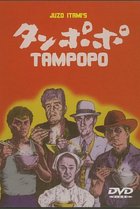
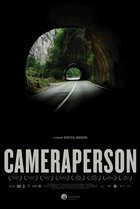
  • Tue (1/2) to Thu (1/5): Tampopo (12:30, 6:00); Cameraperson (10:20)
  • Thu (1/5): Silent Night (3:30)
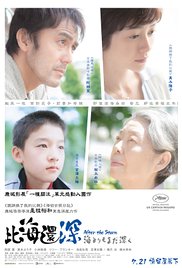
  • Fri (1/6): The Portrait of a Lady (4:00); After the Storm (7:00)
  • Sun (1/8): Cameraperson (4:30); The Portrait of a Lady (5:00); Silent Night (8:00)
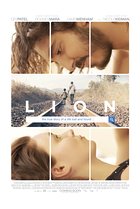
  • All days and nights: Lion


年度最佳纪录片的有力候选《持摄像机的人》(2016, 102 min, 7.6, 8.9)在 IFC 中心热映,本片作者就是一位纪录片专家,克斯汀·约翰逊作为摄像师参与过多部纪录片的拍摄,早期包括《华氏911》这一部罕见的作为非虚构类作品摘得戛纳金棕榈奖的佳作,前年的奥斯卡最佳纪录片——讲述爱德华·斯诺登故事的——《第四公民》,她则是主摄影师。这一次,她亲自上阵,作为导演从“局内人”的视角,讲述镜头背后故事与真实之间的微妙关系,是又一部“电影人拍什么是电影”的好片。

林肯中心以今年的最受好评的独立电影《月光男孩》为由头,邀请该片导演巴里·詹金斯择选出他自己的电影清单,作为《月光男孩》的副本。这个清单里的电影都极具个人风格,它们来自不同的国家,不同时期(港台的两位文艺片“大腕”王家卫和侯孝贤也在列),不过或多或少都触及到同一个母题:离群的,不受关注的局外人。除了上述大师的作品(《春光乍泄》《最好的时光》)之外,来自墨西哥导演卡洛斯·雷加达斯的2007年戛纳评审团奖得主《寂静之光》(2007, 136 min, 7.3, 7.4)也十分值得关注。

林肯中心同时在上映的还有日本大师伊丹十三的名作《蒲公英》(1985, 114 min, 7.9, 8.3),这部电影设置在一家拉面馆中,在美食的大背景下讲述爱的故事,是一部积极向上的励志喜剧。


河岸另一边的 Museum of Moving Image 在跨年期间藏着不少“硬货”,马丁·斯科塞斯的回顾展(第一部分)刚刚结束,另两个系列 Curator’s ChoiceFirst Look 2017 足以看出展方的用心,在后一个系列的独挑大梁的是日本导演是枝裕和的最新作品《比海更深》(2016, 117 min, 7.7, 8.6),这部去年戛纳的参展作品目前只在各大电影节里出现过,美国大规模上线要等到三月中旬,因此这是为数不多的另一次“窥其真相”的机会。是枝裕和作品的主题有一定的重复性,近年来的《步履不停》《如父如子》包括去年的《海街日记》,都是同一个外壳下一类主题的不同变式,这部《比海更深》也不例外。真正喜欢这位导演的观众,想必是不会看厌的。

纽约独立影院新锐 Metrograph 轰轰烈烈的张曼玉回顾展终于告一段落,影院的“开张大礼包” Welcome to Metrograph: A to Z 还在继续,这里面储藏了各种各样风格难以归类和定义的小众电影,是猎奇和“查漏补缺”的好地方。本周末上场的除了阿涅斯·瓦尔达和保罗·托马斯·安德森之外,还有一部女导演简·坎皮恩(《钢琴课》的导演)的作品《淑女本色》(1996, 144 min, 6.3, 7.1),本片最吸引人的地方其实是它的原作,它改编自20世纪最伟大的小说家之一亨利·詹姆斯的长篇作品《一位贵妇的画像》,出演的包括妮可·基德曼和约翰·马尔科维奇这样的“大咖”,还有时年仅22岁的克里斯蒂安·贝尔。

既然提到了妮可·基德曼,在大院线正在上映的影片里自然也找得到她。新人导演加斯·戴维斯的处女作《雄狮》(2016, 118 min, 7.9, 7.4),妮可是其中的女二号,她也凭借本片出现在了本年度金球奖的提名名单中。值得一提的是在这部不知名导演的首部作品中,演员阵容出奇得强大,妮可之外,女一号是《卡罗尔》中的鲁妮·玛拉,男二号戴夫·帕特尔我们也不会陌生——《贫民窟的百万富翁》的主角马利克。电影本身也受到了肯定,成功登上金球奖最佳剧情片的提名榜单。

一种关注(二十二)

2016年夏天的纽约电影基本被西村的两大影院 Film Forum 和 IFC Center 包揽着,后者有横跨一整个季节的费里尼回顾展,前者在老电影上毫不示弱,祭出了“一张票看两场”的大招,美其名曰,好莱坞的“黄金时期”就是这么干的(通常是一部A级片,也就是当时的大片,搭上一部B级片)。今天点开网站,IFC 又即将要分周推出基耶洛夫斯基的《十诫》,横跨五个星期。林肯中心曾在2014年10月的 White Light Festival 上用一周末的三天时间一口气放完了这十部可能是电影史上最棒的短片,当时只有幸看了前六部,大呼过瘾。时隔两年我们才等来了又一次放映,好事多磨。

Dekalog    8½    The Discreet Charm of the Bourgeoisie    The Obscure Object of Desire

《十诫》(1989, 55 min per episode, 9.1, 9.0)的放映自然要拜 Criterion Collection 的功劳,在最新的推出名单中我们赫然发现了它的名字,影片简介说这是 “one of the twentieth century’s greatest achievements in visual storytelling … … [It] focuses on the residents of a housing complex in late-Communist Poland, whose lives become subtly intertwined as they face emotional dilemmas that are at once deeply personal and universally human … … [and] arrestingly explores the unknowable forces that shape our lives. ” Criterion 的 DVD 和蓝光版本要到9月26号才正式发售,而纽约的影迷们,从下周末开始就可以在大荧幕上先睹为快了。

IFC 中心的费里尼全集将告尾声,这个系列是影院传统的保留项目 Weekend Classics 的一部分,只留给每周末上午还能早起的电影爱好者们。七月开篇的第一场是《甜蜜的生活》,而九月底收尾的则是《城市女郎》,最重量级的《八部半》(1963, 138 min, 8.1, 8.4)则毫无悬念地被安排在了 Labor Day Weekend。

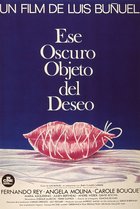
有趣的是,在离 IFC 中心不远处 Film Forum 正如火如荼展映的 “Return of the Double Feature” 里面,我们找不到费里尼的名字,的确,好莱坞的黄金时代是希区柯克,黑泽明,波兰斯基,罗伯特·奥特曼,卡罗尔·里德和卓别林们的。长长的放映名单里其实也不乏欧洲人的身影,虽然想要找到安东尼奥尼和伯格曼之流的确有些困难,但我们依然有:戈达尔,阿伦·雷奈,雅克·德米,(同为意大利人的)德西卡,当然,让人有些意外的,是路易斯·布努埃尔。西班牙大师的晚期作品实际上已经敲开了美国市场和好莱坞的大门,他的倒数第三和第一部作品,《资产阶级的审慎魅力》(1972, 102 min, 8.0, 8.3)《朦胧的欲望》(1977, 102 min, 8.0, 8.3),更是为他赢得了奥斯卡提名(前者最终获奖)。Film Forum 也很老实,他们给布努埃尔选映的正是这两部。

  • Tue: That Obscure Object of Desire (6:35); The Discreet Charm of the Bourgeoisie (8:45)
  • Sat & Sun: 8 1/2 (11:00);  Decalog Parts 1&2 (11:20, 1:45, 4:20, 7:00, 9:35)

Scripts on Films (August 2016)

Michael Atkinson (The Village Voice) on Voyage to Italy: Always interested in the mystery zone between documentary and fiction, even when the “reality” in question was his own marriage, Rossellini shoots his anti-drama with impassive mobility, always maintaining a distance but constantly reframing, insisting that “real” environments impede on the characters’ perspectives. It’s a movie you have to hold on to as it wanders—it will not grab on to you—and it was loathed upon its original release, except by the Cahiers du cinéma gang. (Italian critics wowed by Fellini’s La Strada, released the same day, called for Rossellini’s retirement.) Laying the brickwork for Antonioni’s existential parables a few years to come, Voyage to Italy is close to watching actual strangers suffer loneliness despite being together. It can leave an aching bruise, but only if you’re paying attention.

Stanley Kubrick on Decalogue: The Ten Commandments: I am always reluctant to single out some particular feature of the work of a major filmmaker because it tends inevitably to simplify and reduce the work. But in this book of screenplays by Krzysztof Kieslowski and his co-author, Krzysztof Piesiewicz, it should not be out of place to observe that they have the very rare ability to dramatize their ideas rather than just talking about them. By making their points through the dramatic action of the story they gain the added power of allowing the audience to discover what’s really going on rather than being told. They do this with such dazzling skill, you never see the ideas coming and don’t realize until much later how profoundly they have reached your heart.

Film Society of Lincoln Center on Eric Rohmer’s Six Moral Tales: In 1950, the French publisher Gallimard rejected a manuscript of a short story collection called Moral Tales, submitted by a thirty-year-old writer. In the early sixties, the writer in question—now an influential critic and a late-flowering movie director—resolved to adapt the stories for the screen, each inspired by F. W. Murnau’sSunrise, in which a man, committed to one woman, is tempted by another. The resulting series, which took a decade to complete, established Eric Rohmer’s international filmmaking reputation. Thrillingly intelligent portraits of self-centered, articulate, often foolish men and the women they belittle, idolize, stalk, and long for, staged with offhand visual imagination and full of electrifying, high-stakes verbal showdowns, the six Moral Tales represented an entirely new way of handling male-female relationships on screen.

None of the tales are chiding or moralizing (“It would be nonsense to believe that I am proposing a moral of some kind,” Rohmer once said of them), but they all show a distinctive willingness to expose their characters’ insecurities and pretentions—to put their male heroes through punishing educations. Taken together, these films are a kind of proving ground for Rohmer and his collaborators, including the producer Barbet Schroeder, the cinematographer Néstor Almendros, and the many vital, intellectually driven actors who found in them the space to develop new ways of playing out their characters’ debates and indecisions. They still remain the films most associated with Rohmer, and most representative of his many contradictory traits as a filmmaker: strict and yet playful, conservative and sensual, reticent but always ready to judge.

Scripts on Films (May to July 2016)

Anthony Lane (The New Yorker)’s script on MustangThe film will be of most use, perhaps, to anyone who is teaching “Pride and Prejudice” to a bunch of teen-agers. They will relish the scenes in which the five sisters, showing slightly more initiative than the Bennet girls, escape to watch a soccer match, from which all male spectators have been banned. The question that Ergüven puts, in the context of modern Turkey, is one that Jane Austen might have recognized: How, as a young woman, can you preserve not just your modesty but also your freedom of spirit and the play of your wits, when the purpose of your being, as laid down in social laws, resides in the finding of a man? How much of you remains, in that transaction? A fear of the answer shines most clearly, and most fiercely, in the eyes of a child—of Lale, who sees the future surging toward her, like the waves at the start of the film. She is the heroine of this bright and busy movie. She will not be drowned.

Museum of the Moving Image’s script on Theo Angelopoulos: Greece’s most prominent film director of the post-1968 era, Theo Angelopoulos (1935–2012) was a master cinema stylist. His investigations into history and politics, tyranny and resistance, and spiritual anomie and emotional devastation place him on equal footing with filmmakers like Andrei Tarkovsky, Bernardo Bertolucci, and Wim Wenders. When he emerged on the world scene in the 1970s, with a distinctive style marked by carefully choreographed compositions and tracking shots, he epitomized the great tradition of international art cinema at the end of the twentieth century.

Scripts on Films (March 2016)

BFI’s script on Peeping Tom‘All this filming isn’t healthy,’ says a character in Peeping Tom; a sentiment echoed by the savage reaction of film critics at the time of the film’s release. Powell dressed his meditation on the seductive power and destructiveness of cinema in the clothes of a horror film, albeit one which shows sympathy for a man who records the act of killing. Much has been written about Peeping Tom, but the film’s mysterious power renews with each viewing and it remains one of the masterpieces of British cinema.

Metrograph’s script on Vivre Sa Vie“He doesn’t analyze. He shows.” —Susan Sontag. An untouchable masterpiece, shot with cool precision and artful solemnity. It features Anna Karina in her most iconic role, as Nana Kleinfrankenheim, and was advertised by JLG himself as “a film on prostitution about a pretty Paris shopgirl who sells her body but keeps her soul while going through a series of adventures that allow her to experience all possible deep human emotions.” The film includes one of the most memorable images of the New Wave: Karina’s teary movie theater commune with The Passion of Joan of Arc’s Maria Falconetti.

Richard Brody (The New Yorker)’s script on A Brighter Summer DayIn the nearly four-hour span of this vast Proustian memory piece, from 1991, Edward Yang meticulously delineates the anguish of young people in Taipei in 1959 and the gang violence that pervades their lives. The story, which begins with young Xiao Si’r, a wayward student who gets caught sneaking into a movie studio, opens out into a dazzling multigenerational array of characters, as well as a panoply of trenchant themes—including the paranoia of the Taiwanese military state, the woes of refugees from the mainland, the bitter memories of wartime Japanese occupation, the encroachment of American popular culture (the plot pivots on concerts by local boys covering doo-wop and Elvis), and the cinema itself, as Ming, the girl with whom Si’r is obsessed, gets herself a screen test at the studio. Yang’s methods bring a melancholy tenderness to his recollections. He films intricately staged action in long takes of a rueful, contemplative reserve. As in Proust, the closely observed objects—an American tape recorder, a radio from China, a Japanese sword, a flashlight stolen from the movie studio—bring the past back to life. In Mandarin, Shanghainese, and Taiwanese.

A.O.Scott (New York Times)’s script on A Brighter Summer DayThe English title of “A Brighter Summer Day,” Edward Yang’s chronicle of disaffected youth in Taiwan in 1960, comes from “Are You Lonesome Tonight?,” which was a hit for Elvis Presley that year. One of the teenagers in this sprawling, melancholy and surpassingly beautiful film sings in a rock ’n’ roll band, and he tries, phonetically and with the help of a friend’s sister who studies English, to decode the song’s haunting, enigmatic lyrics. American pop music is a tendril from the outside world that has penetrated this claustrophobic, hectic island, and it expresses the universal longings and the specific frustrations that dominate the lives of Mr. Yang’s characters. The film, at bottom a true crime story about a murder, seethes with the spirit of confused, ardent rebellion that you also find in Hollywood movies from the 1950s and early ’60s, like “East of Eden” or “Rebel Without a Cause.” Focused mainly on the restlessness of a group of young men, “A Brighter Summer Day” also belongs to a tradition that stretches from “I Vitelloni” to “Mean Streets” and beyond. But this film, completed in 1991 and only now receiving a proper American release (thanks to restoration efforts by Martin Scorsese’s World Cinema Foundation and the adventurous programming of the Film Society of Lincoln Center), is much more than the sum of its references and associations. Colored by Mr. Yang’s memories of the world he grew up in, it is one of those movies that, by slow accretion of detail and bold dramatic vision, disclose the structure and feeling of an entire world.

Museum of Moving Images’ script on Nashville: Robert Altman’s crowning achievement is arguably the most innovative American masterpiece since Citizen Kane. It is a teeming, exhilarating, multi-character vision of life in the 1970s that channels the splintered reality of America. It is Owen Gleiberman’s favorite film—because it remains, in his words, “the movie of our time.”

一种关注(二十一)

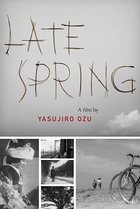
A Brighter Summer Day   Breathless   Badlands   Late Spring

千呼万唤始出来。借 Criterion Collection 把《牯岭街少年杀人事件》(1991, 237 min, 8.3, 8.6)纳入收藏的东风,瞩目已久的大荧幕放映将于本周末在 BAM Rose Cinema 举行。IMDb 的影片题图也早早地更换成了 Criteion 的封面。将近四个小时长的电影放映场次不会多,除了周日有下午和晚上两场之外,其余三天就只是单场放映。台湾导演中,属蔡明亮在纽约的荧幕上最为活跃,侯孝贤侯导借新片也在近两年赚足了人气,唯杨德昌,在印象中似乎从未有他的片子在纽约亮相,这次的机会实在是千载难逢。

这个周末能和 BAM 掰一掰手腕的是 IFC,美国女导演凯莉·雷查德的单片回顾系列“RIVER OF GRASS and Its Sources” 精选了她本人十分喜爱的几部老电影,其中包括泰伦斯·马力克的《不毛之地》(1973, 94 min, 7.9, 7.8)和“法国新浪潮”的开山之作《筋疲力尽》(1960, 90 min, 8.0, 8.4)。戈达尔是各大电影院的常客了,每一年几乎都会有他的回顾系列(此时此刻伦敦 BFI 的就还没结束),而泰伦斯·马力克,这位哈佛哲学系毕业,曾经摘得金棕榈和金熊奖的美国导演,也是各院线品质的保证。IFC 的介绍页面引用了 Time Out 杂志的影评人约书亚·罗斯科夫在2013年的一片篇短评,里面说,“Whatever you think you need to do this week, make some time to settle into a seat at Film Forum and be beguiled. We start in a 1950s South Dakota suburb, … , Badlands is the American myth of freedom and violence; it doesn’t get old because it remains what we are.” 在介绍语里面直接点名道姓地提及几个 block 之外的竞争对手的名字也是相当大度。这部电影是导演的处女作,也是1973年纽约电影节的闭幕影片。

而约书亚评论里提到的 Film Forum 这周在干嘛呢?他们还在放《晚春》(1949, 108 min, 8.3, 8.7),而且声称是这周四就会下线。不管怎样,这是纽约各大 art house 影院的惯例了,每年这个时节,小津的这部佳作都会在某个角落迎着我们。只是今年稍微不一样的在于,在 Late Spring 之后,我们有一个 Brighter Summer Day (注:《牯岭街少年》的英文名)。

  • Thu: Late Spring (5:10, 7:30, 9:50)
  • Fri: A Brighter Summer Day (2:00)
  • Sat: A Brighter Summer Day (2:00); Badlands (5:45, 9:40)
  • Sun: A Brighter Summer Day (2:00; 7:00); Breathless (5:45, 9:35)
  • Mon: A Brighter Summer Day (7:00)

一种关注(二十)

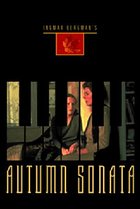
  • Sun: Late Autumn (11:00); Autumn Sonata (4;30, 6:45, 9:00);
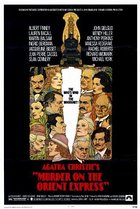
  • Mon: Murder on the Oriental Express (5:00, 8:00);
  • Tue: Taxi Tehran (7:30); Shoeshine (9:30);
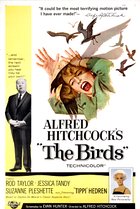
  • Thu: The Birds (8:00).

IFC Center 放映小津?这种搭配确实很罕见,但是不知不觉,从六月中旬起长达十五周的周末专场就要落下帷幕了。这个系列从《父亲在世时》开始,到本周由《秋日和》收场,和小津中后期的作品一样,继续讲述嫁女的故事。在纽约,一个导演能陪伴你一整个夏天是件很幸福的事,去年在BAM 玫瑰剧院有布努埃尔压阵,模糊记得前年夏天也是小津在Film Forum 有过一个跨时很长的专场。这种机会虽然每年都有,但能够有实力踏上这个舞台的导演其实也就那么几个。周日午间11点场,IFC,小津安二郎的《秋日和》(1960, 128 min, 8.3, 8.5)为2015的夏天告别。

与此同时,意大利新现实主义大师德西卡会在Film Forum 陪伴大家,这个系列已经过半,名作《偷自行车的人》《风烛泪》《意大利式结婚》已经收场,导演的处女作《擦鞋童》(1946, 93 min, 7.9, 8.5)在下周二三还会有放映,新现实主义另一部代表作《屋顶》仅有一场,排在整个系列的倒数第二天(10/7)。

本年度柏林金熊奖得主,被禁的伊朗导演贾法·帕纳西自编自导自演的作品《出租车》(2014, 82 min, 7.5, 8.1)将在下周二首次同纽约观众见面。这是一场点映,在BAM 玫瑰剧院,真正的全面上线要等到下周末。这部电影很特别,导演本人坐在车内,扮演一名出租车司机,而影片记录的则是他与各个乘客的谈话,是记录当今伊朗社会生态的一部真诚读本。

Late Autumn    Shoeshine    Taxi Tehran

说到BAM,他们家在过去的几个星期主打瑞典女影星英格丽·褒曼(也作英格丽·伯格曼)的专场,这个系列只剩下三部作品,但仍不乏重量级影片,(周日)由两位瑞典伯格曼姓氏的伟大影人合作的作品《秋日奏鸣曲》(1978, 99 min, 8.3, 8.6),以及(周一)著名悬疑片《东方快车谋杀案》(1974, 128 min, 7.3, 8.3)。英格丽本人在这两部作品中均荣膺奥斯卡提名,并一次获奖。《秋日奏鸣曲》的经典之处在于,这是英格玛·伯格曼和英格丽·伯格曼第一次也是唯一一次合作。

最后要预告的是City Cinema Village East 的希区柯克系列,我印象中这个名为“Hitchcocktober” 是个一年一度的活动,至于是不是每年都放一样的电影就无从考证了。每周四晚上八点,影院将会播放一部希胖子的代表作。本周10月1号首先登场的是《群鸟》(1963, 119 min, 7.8, 8.1)。本片的编剧之一是法国女作家达夫妮·杜穆里埃(当然她也是原著作者),如果听着耳熟的话,没错,她正是另一部更为有名的悬疑小说《蝴蝶梦》的作者(《蝴蝶梦》也由希区柯克搬上了荧幕,并最终获得奥斯卡最佳影片)。

Autumn Sonata    Murder on the Oriental Express    The Birds

一种关注(十九)

都说三月是个鸡肋的档期,正常院线是看不到什么好片的。奥斯卡正落下帷幕,而新一年的主打还远远没到上线的时候。《少年时代》《鸟人》《利维坦》甚至《艾达》这些属性为2014的影片,现在仍在支撑着各电影院的放映名单。前两天我还晃到了一眼《布达佩斯大饭店》,这可是整整一年前的了……

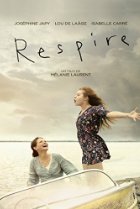
三月也就是春天。春天也许正是看法国电影的好时候。林肯中心和布鲁克林的BAM玫瑰影院会于本周末开始推出法国的新片展映,名为“Rendez-Vous with French Cinema 2015”,翻译过来就是,“我和法国电影有个约会”,好春天的名字。林肯中心是主会场,放映的名单也更长,其中有一部分会在两家影院同时播出,美女导演梅拉尼·罗兰的新作《呼吸》(2014, 91 min 7.0, 6.8)便是其中之一,而她本人也将出席两场Q&A互动。看了照片才知道,其实这位“导演”本事演员出身,昆汀的大作《无耻混蛋》里的女主角便来自于她。同样是一部以女同为题材的电影,影片介绍把这部作品与《阿黛尔的生活》作比,说道:

Breathe echoes Blue Is the Warmest Color in broad strokes but paints its own striking portrait of youthful ardor and codependency.

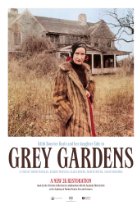
同样是讲女人(们),Film Forum 则将目光瞄向一对母女,纪录片大师梅索斯兄弟的大作《灰色花园》(1975, 100 min, 7.7, 8.3)将于本周五开始为期一周的展映。起初看到这幅海报,还以为是阿涅斯·瓦尔达的《拾穗人》。不过与“新浪潮祖母”的那部作品相类似,在这里真实与电影之间的模糊界线再一次被深刻而生动地剖析。

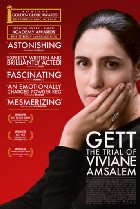
还有一部讲述女性的新片不容忽视,以色列的艾尔卡贝兹兄妹于去年戛纳电影节推出,并荣膺今年金球奖最佳外语片提名的《诉讼》(2014, 115 min, 7.9, 8.1),会在林肯广场和Quad 影院开始放映。影片着笔的依旧是在中东电影中非常流行的宗教和道德、法律之间冲突,有一点像《一次别离》,只不过把场景换在了以色列,以及那里的婚姻法。

Gett    Grey Gardens    Respire

一种关注(十八)

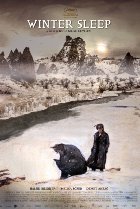
Wrapping up season. 最特别的一种等待,叫做姗姗来迟。在各家媒体为2014的电影话评总结的时候,你会发现榜单上的有那么些个名字,看着很眼熟,却不记得是否看过。没错,这些影片的档期都被排在了一年里最末尾的位置。早在红五月戛纳时节就名扬大江南北的金棕榈奖作品,土耳其导演锡兰的《冬眠》(2014, 196 min, 8.8, 8.2),于本周五在Lincoln Plaza Cinema 揭开神秘的面纱。这部电影并不在早前的纽约电影节当中;而MoMA 曾在10月底举办过一次锡兰的全回顾展,导演本人也亲临现场,但当时的纽约首映也是一票难求。所以,与去年同获金棕榈奖的《阿黛尔的故事》受到的礼遇相比,这一次我们等的时间确实足够长。

《冬眠》前脚赶到,戛纳最佳编剧获奖得主,俄罗斯导演萨金塞夫的《利维坦》(2014, 140 min, 8.1, 8.3)便后脚跟来——本片将在圣诞节当天于Film Forum 掀开帷幕。有意思的是,这一天也是讲述暗杀朝鲜领袖的《The Interview》的计划上映时间(当然现在由于众所周知的原因已经被迫推迟)。这部影片,从名字本身,到导演的国籍背景,都带着浓厚的政治意味,结合上近半个月以来原油价格和金融市场的动荡,在这个时候观看本片,也许恰是一个好时候。本作品还入选了上周刚出炉的金球奖最佳外语片提名,将与《艾达》《游客》等已经在北美上映多时的作品共同角逐该奖项。

Winter Sleep   Leviathan   Inherent Vice

说到姗姗来迟,美国本土出品的作品里面也有这么一位,那便是保罗·托马斯·安德森以L.A. 为剧情蓝本的《性本恶》(2014, 148 min, 8.1, 8.5),本片改编自美国小说家托马斯·品钦的同名作品,在本周大规模公映之前,热身活动可谓是十分活跃:不仅早在九月就跻身纽约电影节的Central Piece (去年获得此席位的是后来大杀四方的《为奴十二载》);而在十一月底,BAM Rose 还专门为此推出了名为“Sunshine Noir” 的系列展映,一举囊括21部以L.A. 犯罪为题材的影片——当然,这个组成自然是20片绿叶,1朵红花。

贯穿这个冬天,美国著名的剧情片导演罗伯特·奥特曼的全回顾展不声不息地在MoMA 进行。本周末,他最有名的一部作品——向美国国庆200周年的献礼之作《纳什维尔》(1975, 159 min, 7.8, 8.1)和另一部颇具文艺范和实验性的作品《三女性》(1977, 124 min, 7.9, 7.9)将登台亮相,也是一次不可多得的进一步了解这位导演的好机会。值得一提的是,上述保罗·托马斯·安德森的偶像,正是罗伯特·奥特曼。

Nashville   3 Women

一种关注(十七)

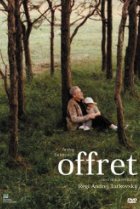
  • Mon & Tue: National Gallery (7:50); Sacrifice (8:00);
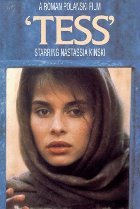
  • Thu: Tess (3:00);
  • Wed – Sat : Batman Returns (11:55);

National Gallery    Sacrifice    Tess

十一月底,感恩节周末,商业大片停歇调整,独立院线也没有什么重磅炸弹推出,留下来的观影选项还确实是准备给有耐心的人。MoMA 在上周末刚放映完长达325分钟的《女性瘾者》导演剪辑版,而本周惹人关注的也全不外乎是至少两个小时以上的长片。其中两部将于本周二告结—— Film Forum 的3小时纪录片《国家美术馆》(2014, 180 min, 7.5, 7.5),精心讲述伦敦国家美术馆里琳琅画幅的“前世今生”;BAM Rose 则继续其对塔可夫斯基的喜爱,特映他的最后一部作品《牺牲》(1986, 142 min, 8.1, 8.8),也接近两个半小时,足够磨练人的耐性和不打盹的能力。林肯中心在法斯宾德回顾展结束之后,搬出另一位德国人——蛇蝎美人娜塔莎·金斯基来压阵,短短一个周末的回顾展只展出她早期的作品,其中自然少不了与两位大导演的合作:(前情人)波兰斯基的《苔丝》(1979, 186 min, 7.3, 8.0),和维姆·文德斯的《德州巴黎》。

Batman Returns

一部《鸟人》不仅让我们重新认识了迈克尔·基顿,还无形之中提醒我们,《蝙蝠侠》系列不只是诺兰的专利,早在八九十年代就有风靡一时的各种版本。这不,这部由蒂姆·波顿执导,如今的鸟人迈克尔·基顿主演的《蝙蝠侠归来》(1992, 126 min, 7.0, 7.1)又重新进入了我们的视野。Landmark Sunshine 把感恩节假期期间的零点午夜场留给了这部作品。

一种关注(十六)

经历了一整个四月的死寂沉沉之后,各大院线终于从五月中旬开始恢复了生气,纷纷拿出自己手里颇有分量的作品来与观众分享。扛着大旗的依然是曼岛上的林肯中心与皇后区的Museum of Moving Image:分别长达近一个月之久的法斯宾德和沟口健二回顾展,其力度之大、取片之全都是近十多年来而未有过的(林肯中心称法斯宾德展是 “the largest in New York City in over a decade”,而MoMI则 “pleased to present the most extensive Mizoguchi retrospective and the first New York retrospective in nearly 20 years”。无论如何,都应在五月时节抽出一个下午(晚上)的时间,去亲临现场感受一下这两位大师的作品。

The Merchant of Four Seasons   The Life of Oharu   Blow-up

法斯宾德回顾展将分两部分进行,五月中到六月初为第一部分,重量级的影片包括《恐惧吞噬灵魂》和《世界旦夕之间》(都将与5.25登场);今年晚些时候(十一月)为第二部分,想必会有其另一部代表作《玛丽娅布劳恩的婚姻》。而与5.16首日晚间出场的《四季商人》(1971, 88min, 7.5, 8.0),则是本次回顾展中放映次数最多的一部作品。

沟口健二的专场已经过去了一个星期,《雨月物语》早已作为首场在第一天便已上映,《山椒大夫》《故乡之歌》也于上周末亮相完毕,《残菊物语》则是本周末的重头戏。而剩下的作品中,也就仅有《西鹤一代女》(1952, 133min, 8.0, 8.3)稍有名气了。

此外,MoMI还将在下周日特别放映安东尼奥尼的《放大》(1966, 111min, 7.7, 8.4),配合一本关于Vanessa Redgrave(该片的女主角)传记的签售活动。

5.16除了是林肯中心法斯宾德展的首日之外,还是MoMA “An Auteurist History of Film Reprise, Part 2” 的第一天。这个影展作为常规 “An Auteurist History of Film” 系列(只在工作日的下午放映,因此很少有机会去看)的补充,挑选出几部精选作品,集中在工作日晚间和周末放映,弥补观众的遗憾。可以说对于影史爱好者来说,MoMA的这个系列就像一座图书馆一样,取之不尽,用之不竭。从5.16到6.3这短短的半个月之间,我们将有机会饱览上个世纪六十年代的精品。

The Virgin Spring    Woman in the Dunes   Les Cousins

下周末的三天里,平均每一天都将有一部重量级作品出场。伯格曼的奥斯卡最佳外语片《处女泉》(1960, 89min, 8.1, 8.3),夏布罗尔的柏林金熊奖作品,“新浪潮”代表作之一的《表兄弟》(1959, 112min, 7.9, 7.4)和日本导演敕使河原宏的嘎纳评审团大奖作品《沙丘之女》(1964, 123min, 8.3, 8.3),个个来头不小,却又风格迥异,在评论界获誉无数,同时也是在市面上极少有机会能一睹其风采的(尤其是后两部)。想想整座纽约城,也就只有MoMA有如此气魄能一口气拿出多部这种级别的作品做单场放映的了。

_____________________

附放映时间:

May 16 (Fri): The Life of Oharu (7:00); The Virgin Spring (8:00); The Merchant of Four Seasons (9:20)

May 17 (Sat): Les Cousins (1:30); The Merchant of Four Seasons (2:30); Woman in the Dunes (8:00)

May 18 (Sun): Blow-up (2:00); The Merchant of Four Seasons (4:45).